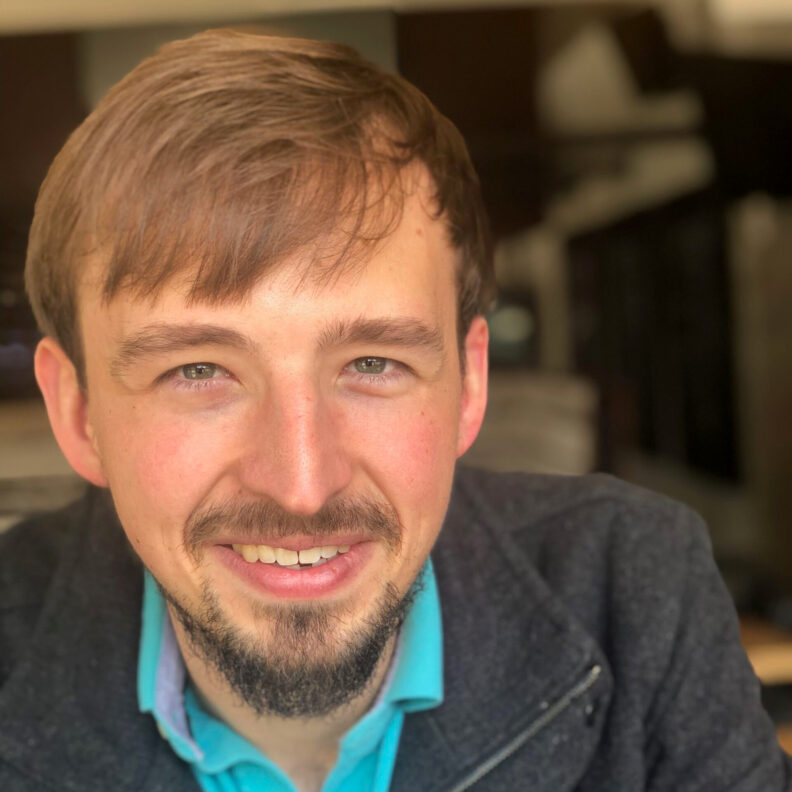
- Postdoctoral Teaching Associate
Biography
Education
- PhD, Emory University, 2024
- MA, Emory University, 2021
- BA, University of Kentucky, 2018
- AA, Bluegrass Community & Technical College, 2015
Academic & Professional
I am a scholar of modern European and global history, and I am currently an instructor in the Roots of Contemporary Issues program at Washington State University. My research and teaching focus on the question of how migration and other forms of international exchange have shaped the contemporary world. I am particularly interested in topics of race, citizenship, socio-economic equality, decolonization, and the urban environment.
My first book project, Reinventing the Global Citizen: Afro-Asian Decolonization and the Politics of Integration in Cold War Germany, examines the institutional reception and everyday experiences of African and Asian students who came to East and West Germany between 1949 and 1992. Specifically, the book traces how German educators pushed African and Asian students to integrate themselves into German society with the goal of creating a new generation of capitalist or socialist citizens. In doing so, the project critically analyzes how the tensions between German claims to tolerance and the controlling practices of German educators sparked transnational conflicts about the relationship between race, citizenship, and universal equality after empire.
My second project, Homes for the People? Poverty, Migration, and Capitalism in the Sustainable City, examines how the rise of “sustainable development” has impacted the mobility and living environments of urban communities in Europe and the Global South. Since 1945, European governments have identified the creation of affordable housing as a driving goal of their domestic and foreign policies. In pursuing this goal, however, European organizations have asserted their authority to define who is capable of living “sustainably” and under what conditions, sparking conflicts with each other, allied governments, as well as the low-income communities whose homes they sought to relocate or improve. In addition to examining how these conflicts have given rise to competing notions of social, economic, and environmental sustainability, the project traces how families displaced by urban development policies in Africa, Asia, and the Caribbean have influenced debates about migration, poverty, and the roots of climate change within Europe.